The Importance of Understanding Ground Conditions
Before starting any construction project, it’s crucial to understand the ground beneath your property. The condition and type of soil can greatly affect the safety and stability of a building. Knowing these conditions helps in preventing possible damage due to subsidence or poor drainage. Professional evaluation of the soil ensures that all necessary precautions are taken before any groundwork begins.
How Soil Quality Affects Your Property
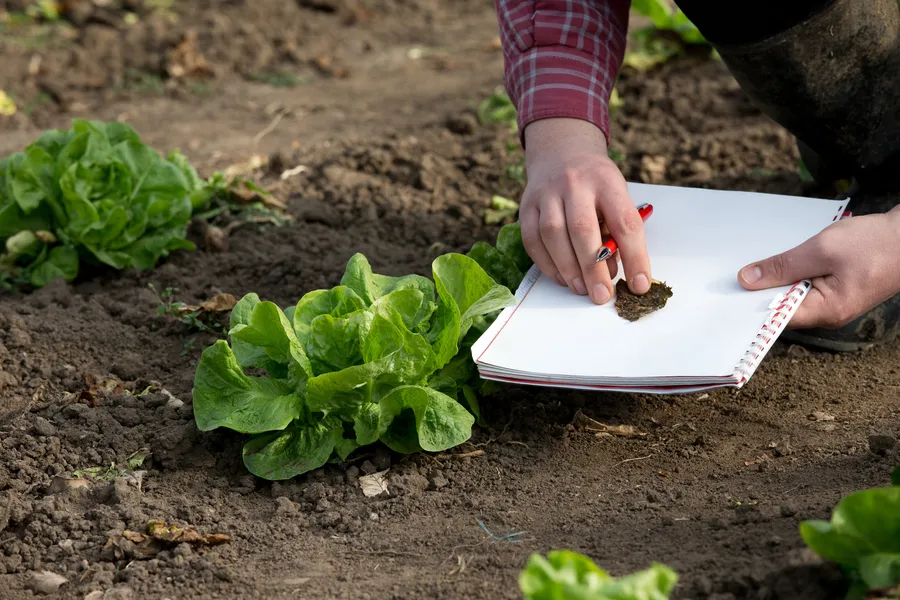
The quality of soil impacts not only the stability but also the long-term health of a structure. Different types of soils behave differently under pressure; some expand when wet, while others shrink. This can lead to cracks in foundations or uneven floors. By conducting professional soil testing, homeowners can identify potential issues early, allowing for corrective action before they become serious problems.
The Process of Ensuring Structural Integrity
To ensure the integrity of any structure, understanding the subsoil composition is vital. Soil testing involves analyzing samples to determine properties like density and permeability. This data informs engineers about whether additional supports are needed or if certain materials should be used during construction. Reliable soil testing results in safer buildings that stand the test of time.
Key Benefits of Engaging Professionals
Hiring experts provides several advantages:
- Accurate assessment of soil conditions
- Expert recommendations on construction practices
- Identification of potential risks early in the process
- Cost savings through prevention of future repairs
Overcoming Common Challenges in Construction
The main challenges in construction often stem from unforeseen soil conditions. Issues such as waterlogging or erosion can delay projects and increase costs. These problems arise primarily due to inadequate site analysis. To mitigate these risks, thorough ground assessments are essential. Such evaluations guide builders in choosing appropriate building methods and materials.
Implementing Effective Solutions
Addressing soil-related challenges requires strategic solutions. Firstly, regular monitoring during construction phases ensures any shifts in soil behavior are promptly addressed. Secondly, using proper drainage systems helps manage excess water effectively. Finally, reinforcing structures with suitable materials enhances their resilience against natural shifts in the earth.
Best Practices for Long-Term Stability
For lasting structural stability, adhere to industry best practices:
- Engage qualified professionals for soil assessment
- Use high-quality materials suited to your specific terrain
- Incorporate comprehensive drainage solutions into design plans
- Regularly maintain and inspect foundation structures
Navigating Industry Standards and Compliance
Construction projects must comply with various regulations and standards aimed at ensuring safety. These include guidelines on foundation depth and material strength specific to different soil types. Adhering to these standards minimizes legal issues and enhances property reliability.
Avoiding Costly Mistakes Through Proper Planning
Failure to conduct proper evaluations can result in costly repairs later. Initial investments in soil assessments save money by avoiding structural failures and associated repairs. Prioritizing quality over immediate cost benefits ensures a better return on investment for property owners.
Contact Us for Expert Guidance Today
Your property’s safety depends on proper preparation. At Quick Response Environmental LTD, we offer expert guidance and support tailored to your needs. Located in Edmonton, AB, our team of professionals ensures you receive top-tier service every step of the way. Get in touch with us at (587) 568-2771 to learn more about how we can assist with your next project.