Ensuring Safety While Addressing Mold Issues in Aged Buildings
Mold can pose serious health risks, especially in older properties where it often goes unnoticed. Such environments tend to have aged materials and outdated construction techniques that harbor mold growth. Understanding the right steps to safely remove mold is crucial. It’s not just about improving air quality but also maintaining the structural integrity of these buildings. This guide provides essential steps for effective mold removal while prioritizing safety.
Understanding the Risks of Mold in Older Properties
Aged structures are more susceptible to mold due to their wear and tear over time. The moisture-prone areas like basements and attics often become breeding grounds for mold. If left unchecked, this can lead to significant health problems such as allergies and respiratory issues. Additionally, mold can damage walls, ceilings, and floors, resulting in costly repairs.
Necessary Precautions Before Starting Mold Removal
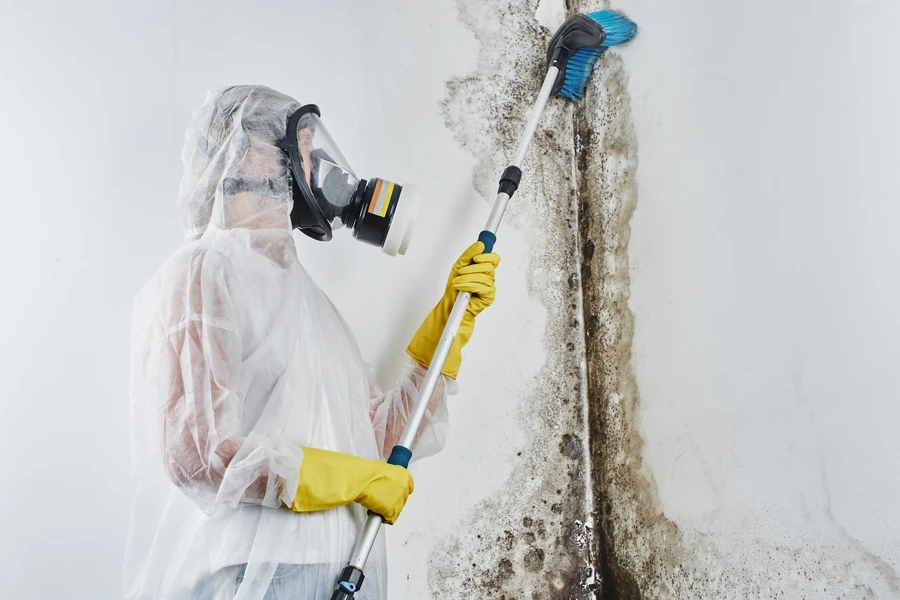
Before beginning mold remediation, it’s vital to assess the extent of the mold infestation. Wearing protective gear like gloves, masks, and goggles is necessary to avoid exposure to spores. It’s advisable to seal off affected areas from other parts of the property to prevent spread during removal. Always ensure proper ventilation when dealing with mold-affected areas.
Selecting Appropriate Tools and Materials
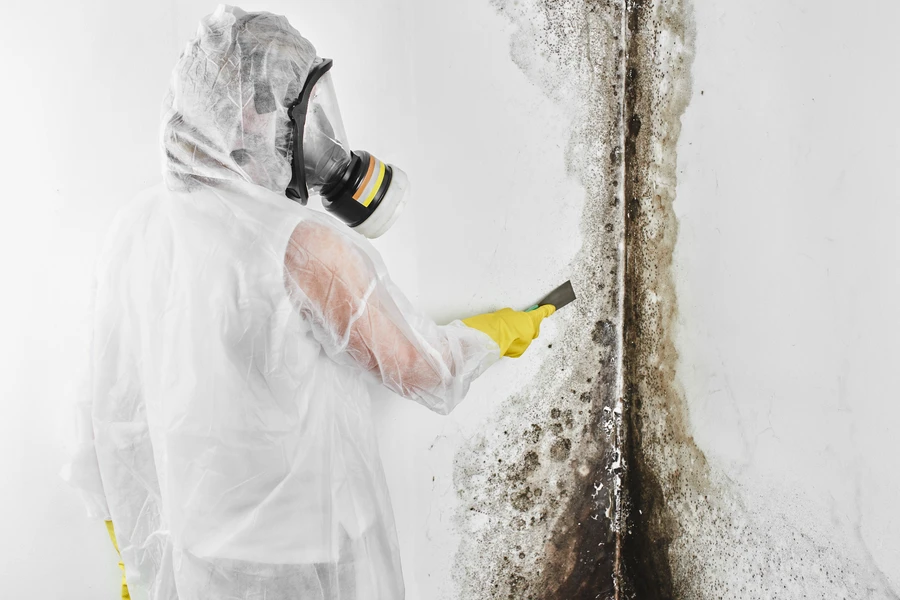
Effective mold remediation requires specialized tools and cleaning agents. Use HEPA vacuums to capture fine particles and approved biocides for cleaning surfaces. Avoid bleach as it doesn’t effectively eliminate mold spores. Instead, opt for solutions specifically designed to kill mold at its roots.
Step-by-Step Guide for Safe Mold Removal
- Identify the source of moisture causing mold growth and fix it.
- Remove and dispose of any porous materials like carpets or drywall that cannot be cleaned.
- Clean all non-porous surfaces with a biocide solution.
- Use fans and dehumidifiers to dry out the area thoroughly after cleaning.
Preventing Mold Return After Cleanup
After removing the mold, focus on prevention strategies to stop future infestations. Regularly inspect your property for leaks or water damage. Install dehumidifiers in damp areas and ensure adequate ventilation throughout the building. Seal cracks and crevices where moisture may enter.
The Importance of Professional Help
While DIY methods work for small-scale issues, extensive infestations require professional intervention. Certified experts use advanced methods for thorough cleanup and provide guidance on keeping your property mold-free. Their expertise ensures compliance with health standards and long-term protection against recurrence.
Monitoring and Maintenance Post-Remediation
Consistent monitoring is key to sustaining a mold-free environment. Conduct regular inspections and maintain humidity levels below 60%. Address any signs of moisture swiftly to mitigate risks. Keeping an eye on potential problem areas helps prevent minor issues from escalating into major concerns.
Reach Out for Expert Assistance Today
For comprehensive support managing mold challenges, connect with local professionals who specialize in older properties. Quick Response Environmental LTD offers experienced services tailored to your needs. Call us today at (587) 568-2771 for further assistance. We proudly serve clients across Edmonton, AB, ensuring safe living spaces through effective solutions.