The Importance of Analyzing Ground Conditions Before Demolition
Demolition projects are complex tasks that require careful planning and assessment. One critical step in this process is analyzing the ground conditions where the demolition will occur. The safety of the project depends on understanding these conditions thoroughly. This involves evaluating various factors like soil type, moisture content, and potential contaminants. Proper preparation can prevent unexpected complications, ensuring a smooth and safe demolition.

Why Examine Ground Characteristics?
Before any demolition begins, it’s essential to examine the ground characteristics to ensure there are no surprises during the process. A vital aspect of this examination is soil testing. By performing soil tests, professionals can gain insights into the composition and stability of the land. Knowing what lies beneath the surface helps in choosing appropriate demolition methods and equipment.
The Role of Soil Testing in Demolition Projects
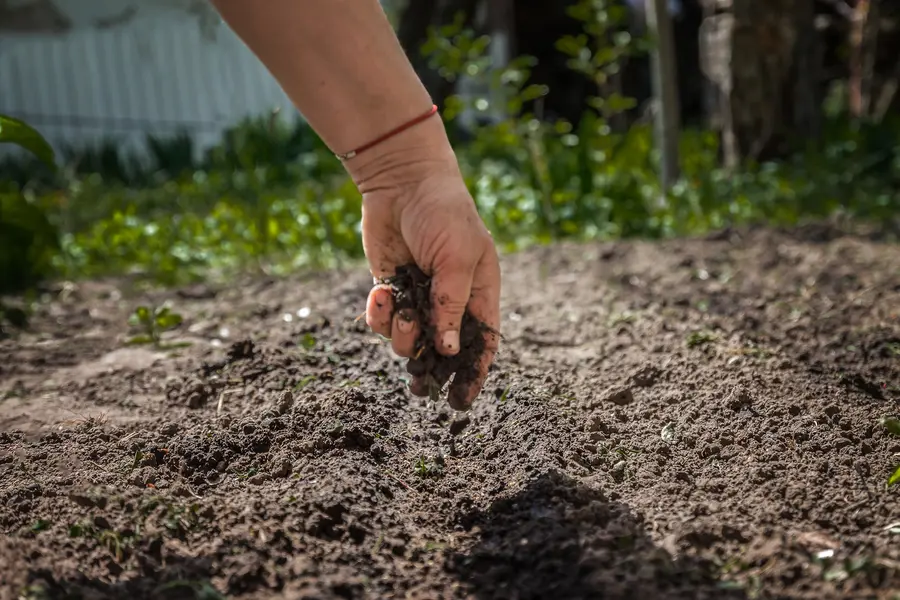
Soil testing plays a crucial role in preparing for demolition projects. It provides detailed information about the ground, such as its load-bearing capacity and potential hazards like contamination or waterlogging. Understanding these elements is crucial for planning and executing a safe demolition without risking structural failures or environmental harm.
Common Challenges in Site Evaluation
Evaluating a site for demolition comes with several challenges. From hidden underground utilities to varying soil compositions, each element poses unique risks if not properly identified. Conducting thorough tests and assessments is key to addressing these challenges. Skipping this step could lead to unforeseen delays, increased costs, or even accidents during the demolition process.
Solutions for Effective Site Assessment
To address the challenges in site evaluation effectively, follow these steps:
- Conduct comprehensive surveys of the area to map out any potential obstacles
- Perform soil analysis to determine load-bearing capacities and other characteristics
- Identify any hazardous materials present in the soil or surrounding structures
- Develop a strategic plan based on the findings to guide the demolition process safely
Best Practices for Successful Project Execution
Adopting best practices ensures successful execution of a demolition project. Key recommendations include:
- Using qualified professionals to carry out preliminary assessments and tests
- Ensuring compliance with local regulations regarding waste disposal and environmental protection
- Implementing robust risk management strategies to handle identified issues effectively
- Regularly reviewing plans and adjusting them as new data arises during testing phases
Industry Standards and Compliance
Adhering to industry standards and compliance requirements is non-negotiable in demolition projects. These guidelines help protect both workers and the environment from potential risks associated with demolition activities. Ensuring that all team members are aware of and follow these standards mitigates risks and enhances overall project safety.
Cost Factors to Consider in Planning
When planning for demolition, consider various cost factors. These include costs related to site assessments, permits, equipment rental, and labor. Allocating budget for unexpected challenges unearthed during soil testing is also wise. While initial expenses may seem high, proper planning can save money by preventing costly mistakes down the line.
Your Pathway to Safe Demolition Projects
If you’re looking to embark on a demolition project, understanding ground conditions through comprehensive assessments is crucial. At Quick Response Environmental LTD, we offer expert services tailored to meet your needs at every stage of the process. Call us at (587) 568-2771 for professional guidance tailored to your specific needs. Based in Edmonton, AB, our team specializes in providing reliable solutions that prioritize safety and efficiency.